
In New Jersey, the cost of a home inspection typically ranges from $250 to $1000 or more, depending on the factors mentioned below. It's e...
Understanding Moss: Roof Issues, Reasons, and Solutions
Introduction:
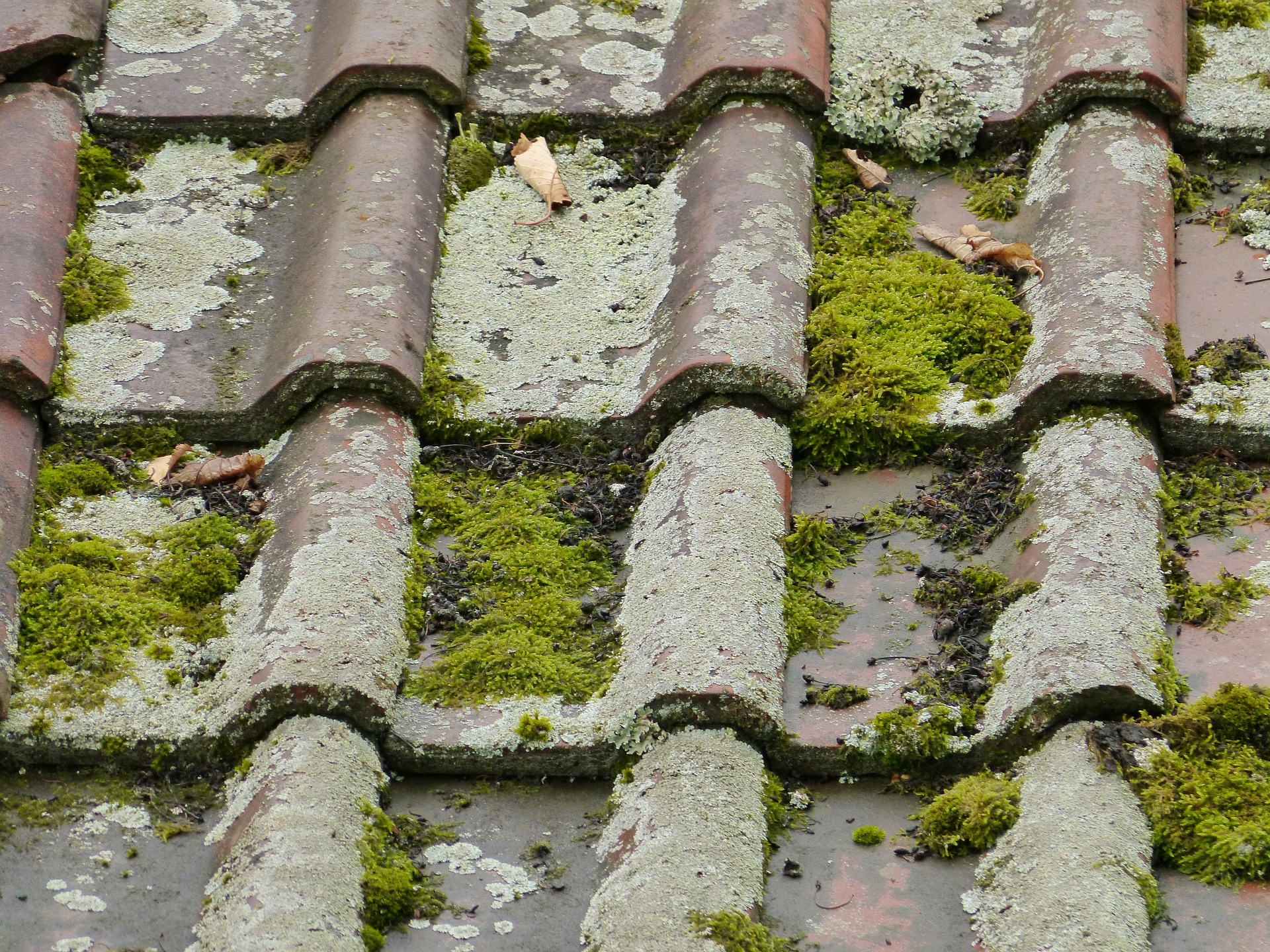
A lush green carpet of moss can lend an enchanting aesthetic to a forest floor or a garden path. However, when moss finds its way onto rooftops, it can cause a host of problems. In this blog post, we will explore what moss is, the issues it poses for roofs, the causes behind its growth, and effective preventive measures to keep your roof moss-free.
What is Moss?
Moss is a small, non-vascular plant that typically thrives in damp and shady environments. It belongs to the Bryophyte division and reproduces through spores rather than seeds. Mosses are known for their ability to absorb and retain water, which enables them to survive in areas with high humidity or moisture.
Problems of Moss on Roofs:
While moss might seem harmless, it can lead to various problems when it starts to colonize rooftops:
Water Retention: Moss retains moisture and can create a damp environment on the roof. This can lead to the gradual degradation of roofing materials, including asphalt shingles, wood, and even metal.
Damage to Roofing Materials: As moss grows and spreads, it can penetrate the small gaps and cracks in roofing materials, causing them to weaken and deteriorate over time. This can lead to leaks, water damage, and a shortened lifespan for the roof.
Increased Weight Load: The additional weight of moss, especially when saturated with water, can put extra stress on the roof structure. This can lead to structural damage and potentially compromise the safety and integrity of the building.
Causes of Moss Growth:
Understanding the underlying causes of moss growth on roofs is essential for effective prevention. The primary factors that contribute to moss development include:
Shade and Moisture: Moss thrives in areas with limited sunlight and excessive moisture. If your roof is shaded by trees or adjacent buildings and experiences poor drainage, it creates an ideal environment for moss to flourish.
Lack of Air Circulation: Poor airflow can contribute to the retention of moisture on the roof's surface, providing favorable conditions for moss growth. Roofs with nearby obstructions or inadequate ventilation are more susceptible to moss-related issues.
Prevention of Moss on Roofs: Preventing moss growth on your roof is crucial for maintaining its longevity and avoiding costly repairs. Consider the following preventive measures:
Regular Roof Maintenance: Schedule periodic roof inspections to identify any signs of moss growth or damage. Remove debris, such as fallen leaves or branches, as they can create a moist environment suitable for moss.
Trim Overhanging Branches: Trim branches that hang over or near the roof to reduce shade and improve sunlight exposure. This helps inhibit moss growth by increasing the roof's exposure to drying winds and sunlight.
Ensure Proper Drainage: Clean out gutters and downspouts regularly to prevent water from pooling on the roof. Adequate drainage helps keep the roof dry and less hospitable for moss.
Install Zinc or Copper Strips: These metal strips, placed near the ridge of the roof, gradually release ions that inhibit moss growth. They can be effective long-term solutions to prevent moss from colonizing the roof.
Professional Roof Cleaning: If moss growth has already occurred, consider hiring a professional roof cleaning service. They have the expertise and tools to safely remove moss without causing damage to the roof.
Conclusion:
Moss on roofs can lead to significant problems, including water damage, structural issues, and a shortened lifespan for your roof. By understanding the causes of moss growth and implementing preventive measures, you can maintain a moss-free roof and protect your investment in your home. Regular maintenance, proper drainage, and sunlight exposure are key to preventing moss from taking hold and ensuring the long-term health of your roof.
Author: Rak Home Inspections
2023-05-07 15:43:29
2023-05-07 15:43:29
Recent Blog
-

-
Understanding the Cost of Home Inspection in New Jersey
Author: Richard A. Konadu
Date: 2024-03-19 19:27:22 -

-
10 Easy Ways to Save Money & Energy in Your HomeMany people don’t know how easy it is to make their homes run on less energy, and here at InterNACHI®, we want to change that.
Drastic reductions in heating, cooling and electricity cos...
Author: InterNACHI®
Date: 2024-03-14 07:38:09 -

-
Breathing Easy: The Impact of Poor Ventilation on Indoor Air Quality
We often associate air pollution with outdoor environments, but did you know that indoor air quality can be just as crucial to our health and well-being? Poor ventilation in our homes and workplac...
Author: Rak Home Inspections
Date: 2023-08-05 18:07:24 -

-
Ascending with Confidence: Evaluating the Safety of Staircases and Railings
Staircases and railings are essential architectural features that enable seamless movement between different levels of a building. However, they can also present significant safety risks if not p...
Author: Rak Home Inspections
Date: 2023-08-02 17:41:21 -

-
Checking the Condition of Your Chimney and Fireplace to Keep You Warm and Safe
The fireplace and chimney have long been a symbol of warmth, comfort, and gathering during chilly evenings. However, to ensure their continued functionality and safety, regular assessment and mai...
Author: Rak Home Inspections
Date: 2023-08-02 16:55:44